 by
by In modern life across the US and UK, the relentless pace and complexity of daily demands have normalized high levels of stress. This emotional overload is not merely inconvenient; it represents a significant public health burden. Globally, anxiety disorders are the most common mental disorders, affecting approximately 359 million people in 2021. This reality is sharply reflected in UK health data, which indicates that 1 in 4 people in England will experience some form of mental health problem each year, with common issues like Generalized Anxiety Disorder (GAD) affecting 8 in 100 people in any given week Mind (UK Mental Health Charity).
The consequence of this chronic pressure—be it from financial worries, high-pressure jobs, caregiving responsibilities, or grief—can lead to emotional exhaustion, irritability, difficulty concentrating, and a profound lack of motivation. When individuals feel trapped or unable to cope with these unrelenting struggles, their innate capacity to rebound is compromised, sometimes escalating into excessive reactions to stress known as adjustment disorders Mayo Clinic. The core problem, therefore, is not the existence of stress, but the struggle to adapt to it.
This struggle highlights a critical need for emotional resilience. Resilience is defined as the essential ability to adapt to stressful situations, cope effectively with life’s inevitable ups and downs, and return to an improved emotional state after adversity. Resilience does not eliminate difficulties; rather, it allows an individual to accept or tackle problems and move forward without risking their long-term mental health.
The encouraging truth is that resilience is not a fixed personality trait but a trainable skill set. By utilizing structured, evidence-based self-help strategies—collectively known as Cognitive Techniques—individuals can learn to manage internal distress and cultivate lasting mental strength. These powerful techniques, largely derived from Cognitive Behavioral Therapy (CBT), empower people to consciously change the way they perceive challenges, directly offering a clinically proven solution to building emotional resilience.
Table of Contents
ToggleThe Cognitive Framework: Dissecting the Thought-Emotion Link
Low emotional resilience manifests when individuals struggle to adapt effectively to ongoing life stressors and changes, often experiencing excessive and prolonged negative emotional and behavioral reactions. Chronic exposure to high demands—such as managing a long-term illness or dealing with social unrest—depletes internal coping resources, leading to a state of emotional exhaustion where one feels unable to endure or concentrate.
A major factor undermining resilience is the reliance on avoidance behaviors. When an individual avoids situations, fears, or difficult thoughts, the brain learns that the only way to achieve safety is through steering clear of discomfort. This short-term relief reinforces anxiety and prevents the development of adaptive coping skills, effectively crippling the ability to bounce back from future challenges. Resilience requires facing fears in manageable steps, which is precisely what cognitive strategies aim to facilitate.
The Vicious Cycle: How Our Thoughts Dictate Our Feelings
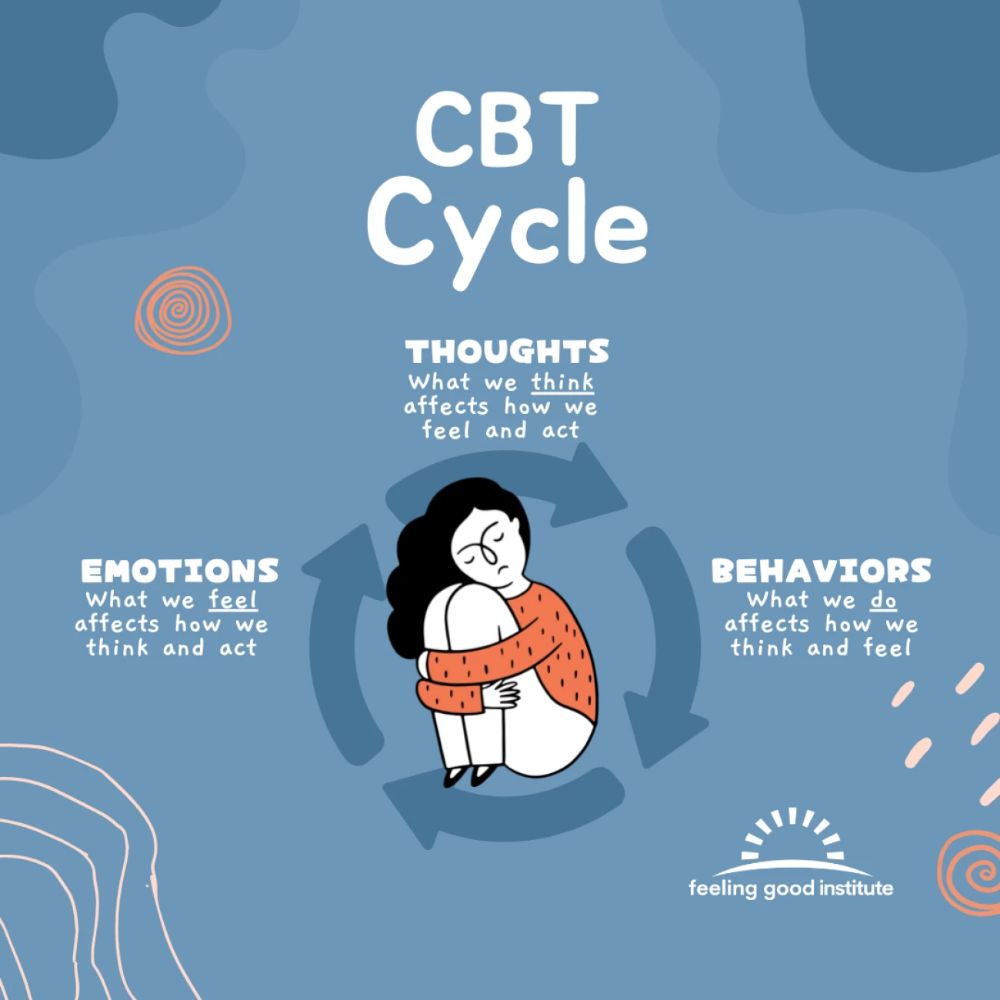
The foundation of modern cognitive therapy rests on the principle that our internal experiences are linked in a continuous, influencing loop. Specifically, problems are understood by breaking them down into five interconnected components: situations, thoughts, emotions, physical feelings, and actions.
This framework reveals that intense emotional reactions are not solely caused by external events, but are profoundly shaped by how those events are interpreted—our cognition. When an individual habitually engages in unhelpful, negative thought patterns, this leads to intense negative feelings and subsequent unhelpful behaviors, creating a self-perpetuating, or vicious, cycle. For example, a minor setback (situation) leads to the thought “I am a total failure,” which generates strong feelings of sadness (emotion), resulting in withdrawal (behavior), which reinforces the initial negative thought.
Cognitive Techniques are designed to directly intervene in this cycle. Our emotional response to any situation is heavily influenced by the way we view that situation, and if that view contains distortions or inaccuracies, it unnecessarily intensifies distress. The overarching clinical goal of cognitive intervention is therefore to clarify one’s own underlying attitudes and expectations, identify false or distressing beliefs, and replace them with thoughts that are more realistic and less detrimental to well-being. By focusing on thought modification, these techniques actively engage the prefrontal cortex—the brain region critical for executive functions and emotional regulation. This means that practicing these cognitive skills is a deliberate method for strengthening the brain’s regulatory capacity, moving the individual from a passive emotional reaction to an active, controlled, and resilient response.

Rewiring Distress: Cognitive Restructuring and Reframing
Cognitive Restructuring is the cornerstone of many Cognitive Techniques and involves a systematic process of challenging and altering the explicit content of unhelpful thoughts. This technique is highly effective in managing conditions such as anxiety, depression, and stress.
Identifying the Saboteur: Recognizing Cognitive Distortions
The process of restructuring begins with recognizing common cognitive distortions—the “unhelpful errors” or inaccurate interpretations that frequently occur when facing challenging circumstances. These distortions are the ways our minds tell us a misleading story about reality, fueling unnecessary distress.
Key examples of cognitive distortions that actively sabotage resilience include:
- Catastrophizing: Blowing an unsettling event out of proportion and immediately worrying about a much worse, looming disaster.
- All-or-Nothing Thinking: Viewing events only in extreme terms, where anything that is not perfect is automatically judged as a complete failure.
- Over-generalization: Taking the outcome of a single negative experience and creating a universal rule, applying it broadly to all similar future situations.
Effective cognitive reappraisal strategies, such as those recommended by authoritative sources like Harvard Health, focus on two main techniques: “positive reframing,” which involves identifying a benefit or upside to a negative situation that was previously overlooked; and “examining the evidence,” which requires rigorously testing the thought against objective reality Harvard Health.
Step-by-Step Guide: Challenging Unhelpful Thoughts
The structured application of these Cognitive Techniques empowers individuals to move away from automatic, distressing interpretations toward balanced, constructive conclusions. This process, often recorded on a thought record, formalizes the journey toward resilient thinking.
- Pause and Identify the Trigger: Recognize that an intense emotional spike—such as sudden anger, intense fear, or deep sadness—has occurred. This emotional spike acts as a cue to stop and identify the specific situation or event that immediately preceded the shift in mood.
- Capture the Automatic Thought: Write down the initial, default interpretation that popped into the mind. It is crucial to be specific about the fear. If the thought is vague (“Something bad will happen”), break it down into a list of specific, manageable worries to be addressed individually.
- Rate Emotional Intensity: Identify the specific negative emotion (e.g., anxiety, sadness) and rate its intensity on a scale, typically from 0 (none) to 10 (most intense).
- Examine the Evidence (The Counter-Challenge): This is the heart of the Cognitive Technique. The individual must rigorously challenge the automatic thought by seeking objective data. Ask fundamental questions such as: “What factual evidence supports this thought?” and, critically, “What concrete evidence contradicts this thought?”. In many cases, the evidence supporting the negative conclusion is based on feeling, while objective evidence is often ignored. Engaging logic and objective data is necessary to refute the negative belief structure.
- Generate a Balanced Alternative: Based on the evidence gathered in the previous step, formulate a new response that is more constructive, realistic, and proportionate to the situation. This new perspective should reframe the situation by focusing on possibilities, strengths, or compensating talents.
- Re-rate Emotional Intensity: Re-evaluate the intensity of the original emotion using the 0-10 scale. A significant, observable reduction in distress confirms the effectiveness of the Cognitive Technique, reinforcing the value of challenging unhelpful thoughts.
It is important to note that this practice extends beyond clinical distress. The systematic use of self-talk and challenging beliefs is proven to enhance mental toughness, increase self-efficacy, and reduce performance anxiety in high-pressure contexts. This highlights that Cognitive Techniques are essential for proactive resilience and maximizing potential, not merely tools for reacting to illness.
Creating Space: The Power of Cognitive Defusion
While Cognitive Restructuring focuses on changing the content of a thought, Cognitive Defusion focuses on changing the relationship we have with that thought. This powerful set of Cognitive Techniques is particularly valuable for managing rigid, repetitive, or self-critical thinking common in anxiety and depression.
Thoughts Are Not Facts: The Goal of Defusion
Defusion aims to achieve psychological flexibility, which is the capacity to observe one’s thoughts without becoming entangled in or controlled by them. When thoughts are accepted as absolute truths or instructions—a state known as cognitive fusion—their emotional impact is maximized. Defusion techniques deliberately shift perspective, helping the individual move from believing “My thought is a fact” to simply noticing, “I am having the thought that…”.
This shift does not attempt to eliminate or replace difficult thoughts, which is often impossible, but rather to reduce their emotional power and free up mental energy for meaningful action. By creating space from thoughts, the individual can reduce the emotional impact of negative and intrusive internal experiences, fostering calmness even when difficult thoughts are present. This approach is vital for cultivating a form of resilience that allows for committed action aligned with one’s values, even amidst discomfort.
Actionable Exercise: The Leaves on a Stream Technique
One highly utilized, evidence-based defusion exercise involves visualization, adapted from Acceptance and Commitment Therapy (ACT).
- Preparation: Find a comfortable sitting position. Either close your eyes fully or rest your gaze gently on a fixed point in the room.
- Visualization: Visualize yourself sitting next to a peaceful stream with leaves floating along the surface of the water.
- Thought Placement: For several minutes, as each new thought enters your mind—regardless of whether it is positive, neutral, or negative—gently place that thought onto one of the passing leaves. Observe the leaf, carrying the thought, as it floats downstream and out of sight.
- Handling Hooks: It is normal for judgmental or intrusive thoughts to arise about the exercise itself (e.g., “This is stupid,” or “I am doing this incorrectly”). Acknowledge these meta-thoughts, place them on a leaf, and let them float past as well.
- Return to Observation: If you realize you have become fully engaged or “hooked” by a thought, interrupting the flow of the visualization, gently redirect your attention back to the image of the stream and the passing leaves, resuming your role as the neutral observer.
Fast Tips: Instant Cognitive Techniques for Overwhelm
When acute stress or anxiety strikes, rapid Cognitive Techniques can restore distance and quickly ground the individual in reality, preventing escalation into full panic.
- De-literalize the Thought: Take the most distressing or unhelpful thought (e.g., “I’m going to mess this up”) and say it out loud repeatedly, very slowly, or sing it to the tune of a simple song like ‘Happy Birthday’. This simple act de-literalizes the content, making the thought sound peculiar and robbing it of its intense, commanding nature.
- The 5-4-3-2-1 Grounding Method: This technique is a highly effective way to pull attention away from internal catastrophic narratives and anchor the individual in the immediate present using sensory input. When feeling overwhelmed, systematically name:
- 5 things you can SEE.
- 4 things you can HEAR.
- 3 things you can FEEL (touch or internal sensations).
- 2 things you can SMELL.
- 1 thing you can TASTE.
This blend of reframing, defusion, and grounding ensures that resilience is built through both systematic thought change and the skill of accepting and navigating inevitable discomfort.
From Theory to Daily Life: Application and Treatment Pathways
Integrating Cognitive Techniques into a resilient life involves both intentional, proactive measures to build emotional buffers and an understanding of when structured therapeutic support is necessary.
Practical Prevention: Building Cognitive Buffers
Emotional resilience is significantly enhanced by routine practice and the cultivation of positive emotional resources. These proactive cognitive buffers reduce vulnerability to stress and accelerate recovery from setbacks.
- Worry Time Scheduling: For those struggling with generalized, excessive worry that dominates their day, scheduling a designated “Worry Time” can be transformative. Set aside a specific, short 10-minute window daily to focus intensely on your worries. When anxious thoughts intrude outside of this time, consciously postpone them by reminding yourself, “I have a scheduled time to handle this later”. This behavioral change helps reclaim the majority of the day from intrusive, unproductive thinking.
- Cultivating Positive Emotional Resources: Building positive emotional capital helps to offset the effects of stress. Evidence-based daily practices include:
- Gratitude Journaling: Actively recording things one is thankful for to shift focus away from deficits.
- Self-Compassion: Treating oneself with kindness, understanding, and patience, especially during moments of perceived failure.
- Strengths Spotting: Using tools like character strengths surveys to identify one’s core strengths (e.g., perseverance, curiosity) and consciously applying these strengths when facing new challenges.
Comparison of Cognitive Therapy Approaches
While CBT is the broadest framework, understanding the nuances of related therapies can inform self-help and guide therapeutic goals, particularly when emotional difficulties are deeply entrenched. Rational Emotive Behavior Therapy (REBT) is closely related to CBT, yet focuses on a distinct level of cognitive challenge.
Comparison of Key Cognitive Therapies
| Feature | Cognitive Behavioral Therapy (CBT) | Rational Emotive Behavior Therapy (REBT) |
|---|---|---|
Primary Focus | Identifying and modifying specific cognitive distortions (e.g., all-or-nothing thinking). |
Challenging and altering core, deeply rooted irrational, rigid beliefs (e.g., “I must be perfect”). |
Philosophical Basis | Structured, practical approach focusing on the interconnection between thoughts, feelings, and behaviors. |
Emphasis on rationality, promoting unconditional self-acceptance, and reducing ‘musts’ and ‘shoulds’. |
Scope of Concern | Primarily targets initial, or ‘primary,’ emotional issues (e.g., the initial depression or anxiety). |
Also specifically addresses ‘secondary disturbances’ (e.g., anxiety or shame about having the initial primary emotion). |
This distinction underscores that deep resilience work may require individuals to assess whether their emotional block stems from specific distorted interpretations (the focus of standard CBT) or from fundamental, absolute demands placed on themselves and the world (the focus of REBT). This understanding allows for a personalized and more targeted application of Cognitive Techniques.
When to Seek Professional Support: Self-Help vs. Formal CBT
Self-help Cognitive Techniques provide crucial skills for maintenance and managing mild, everyday stressors. These strategies are beneficial for anyone seeking to improve their management of stressful life situations, regardless of a specific mental health diagnosis.
However, for severe or persistent conditions, formal Cognitive Behavioral Therapy with a licensed professional is recommended. CBT is demonstrated to be highly effective for a wide range of mental health problems, including anxiety, depression, PTSD, eating disorders, and chronic pain. Professional guidance is necessary when symptoms last longer than six months, cause excessive distress, or severely interfere with daily functioning, such as work, social life, or concentration. The World Health Organization (WHO) emphasizes that highly effective treatments exist for anxiety disorders, though access remains a barrier .
A trained therapist ensures the proper use of these powerful strategies, often employing specialized techniques, such as exposure therapy for avoidance , or managing complex presentations like long-term pain. In the UK, the NHS offers free access to talking therapies, allowing individuals aged 18 and over (or 16 in some areas) to self-refer directly for many common issues like anxiety and depression, making this highly effective treatment widely accessible .
Conclusion: Cultivating Lasting Emotional Strength
Emotional resilience is not a passive quality but a dynamic, achievable skillset, built through dedicated mental practice. By embracing the principles and tools of Cognitive Techniques, individuals choose an evidence-based path toward psychological self-mastery American Psychological Association (APA).
These techniques—including Cognitive Restructuring to systematically challenge negative interpretations and Cognitive Defusion to observe intrusive thoughts with detachment—provide a robust framework for managing the inner narratives that drive distress. Learning to identify cognitive distortions and proactively integrating positive emotional buffers through gratitude and strengths recognition significantly increases the capacity to withstand and recover from life’s inevitable adversity.
The scientific evidence is clear: by changing the way you think, you fundamentally change the way you feel and respond. Start today by committing to one new Cognitive Technique, whether it’s practicing the “Leaves on a Stream” visualization or rigorously challenging a fear-based thought using the six-step method. This daily investment in your mental processes is vital. If self-help strategies are insufficient to break entrenched cycles of distress, remember that highly effective professional CBT support is available through accessible pathways like the NHS. Take action now with abcwellness.net to harness the power of your mind and cultivate lasting emotional resilience.
Frequently Asked Questions
1. How quickly can I see results using Cognitive Techniques for resilience?
While achieving deep, enduring emotional resilience is a process that requires consistent effort over time, many individuals experience immediate and noticeable relief from specific, acute Cognitive Techniques. For example, grounding exercises or using defusion tips like singing a worrisome thought are designed to interrupt acute anxiety or distress in the very moment it strikes. When engaging in structured activities like thought challenging, where an individual rates the intensity of an emotion before and after applying the technique, visible reductions in distress are often reported within just a few weeks of consistent practice. Developing genuine mental strength is analogous to physical training—it is a long-term goal requiring sustained practice. However, research shows that even brief, regular engagement (5 to 15 minutes daily) of cognitive strategies and stress management techniques can yield measurable mental and physical health benefits, proving that consistency transforms these initial techniques into reliable, resilient habits.
2. Are Cognitive Techniques effective for managing deep-seated trauma?
Yes, Cognitive Techniques are a crucial element within evidence-based treatment protocols for managing trauma. Cognitive Behavioral Therapy (CBT) is a recognized and recommended treatment for Post-Traumatic Stress Disorder (PTSD) by authoritative bodies. When treating trauma, specialized techniques such as imagery-based exposure and interoceptive exposure are employed within a therapeutic setting. These controlled exposures help individuals process difficult memories and internal physiological symptoms safely, reducing the avoidance behaviors that commonly maintain trauma symptoms. For complex or deep-seated trauma, these powerful Cognitive Techniques must be administered under the structured guidance of a trained mental health professional. The therapist ensures that the individual can manage the overwhelming emotions involved, providing a structured and supportive path toward trauma recovery and the restoration of emotional resilience.
3. What is the difference between mindfulness and Cognitive Techniques?
Mindfulness and Cognitive Techniques are distinct yet mutually supportive elements in the pursuit of resilience. Mindfulness is primarily a practice of awareness; it involves intentionally focusing attention on the present moment, observing internal and external experiences without judgment. This foundational awareness is critical because it builds emotional literacy, helping the individual to identify their emotional triggers and connect with their feelings. In essence, you must be mindful enough to notice a negative automatic thought before you can effectively respond to it. Conversely, Cognitive Techniques are active intervention strategies. They are the tools applied after awareness has been established. These techniques involve either challenging the content of the negative thought (Cognitive Restructuring) or consciously changing the psychological distance from the thought (Cognitive Defusion). The most comprehensive approach to emotional regulation and resilience combines mindfulness (awareness) with focused Cognitive Techniques (adaptive change).
4. Can Cognitive Techniques help me improve my performance or focus?
Absolutely. The utility of Cognitive Techniques extends significantly beyond the treatment of clinical disorders, proving to be vital tools for enhancing mental toughness, building confidence, and improving focus across academic, professional, and athletic domains. Motivational self-talk and positive reframing are powerful forms of cognitive restructuring that have been scientifically demonstrated to increase self-efficacy—the belief in one’s own ability to succeed. By systematically using these Cognitive Techniques to identify and refute negative, limiting self-beliefs (“I am too slow,” “I will fail”), individuals can successfully redirect their attentional focus toward the relevant cues needed for task success. This ability to manage internal doubts and maintain focus under pressure transforms performance anxiety into heightened mental resilience and confidence, making these techniques integral to psychological training.