 by
by Have you noticed more women around you struggling with anxiety lately? You’re not alone in that
observation. Across the United States, anxiety symptoms in women have reached unprecedented levels in 2026, and the reasons behind this surge are more complex than you might think. From hormonal fluctuations tied to PCOS and menopause to societal pressures and post-pandemic mental health ripples, women today face a perfect storm of anxiety triggers that earlier generations never experienced at this scale.
If you’ve ever felt your heart racing before your period, experienced panic attacks during perimenopause, or found yourself spiraling into worry at 3 AM, you’re part of a growing conversation about women’s health that desperately needs attention. This isn’t just about feeling stressed—it’s about understanding why female anxiety manifests differently, hits harder at certain life stages, and why 2026 has become a tipping point.
Table of Contents
ToggleAnxiety Symptoms in Women Are Skyrocketing
Recent data from the Anxiety and Depression Association of America reveals that women are twice as likely as men to be diagnosed with anxiety disorders. But the gap is widening.
According to the National Institute of Mental Health, 23.4% of adult women in the U.S. experienced anxiety disorders in 2025, compared to 14.3% of men, and preliminary 2026 figures suggest those numbers have climbed even higher. What’s particularly striking is how anxiety symptoms female patients report have evolved. Women aren’t just experiencing traditional anxiety signs like worry and restlessness. They’re dealing with:
• Physical symptoms of anxiety in women over 40, like heart palpitations, chest tightness, and
digestive issues
• Hormonal anxiety tied to menstrual cycles, pregnancy, and menopause
• Sleep disturbances and chronic fatigue
• Panic attacks that seemingly come out of nowhere
• Social anxiety amplified by digital comparison culture
The American Psychological Association notes that women in their 30s and 40s—particularly those juggling careers, caregiving responsibilities, and relationship pressures—show the steepest increases in anxiety diagnoses. But younger women aren’t immune either. Gen Z women (born 1997-2012) report female anxiety rates exceeding 40%, a statistic that should alarm us all.
The Biological Reality Behind Anxiety Symptoms in Women
Hormones
When we talk about women and anxiety, we can’t ignore the elephant in the room: hormones. The female endocrine system is incredibly complex, and hormonal fluctuations directly impact
neurotransmitters like serotonin, dopamine, and GABA—all critical for mental health.
The Estrogen-Anxiety Connection:
Estrogen doesn’t just regulate reproduction; it influences brain chemistry. When estrogen levels drop (as they do before menstruation, after childbirth, and during menopause), women become more vulnerable to anxiety. The North American Menopause Society confirms that declining estrogen affects the amygdala—the brain’s fear center—making it hyperactive and more reactive to stress.
Progesterone’s Calming Effect:
Progesterone has natural anti-anxiety properties. It breaks down into allopregnanolone, which activates GABA receptors in the brain—essentially nature’s Valium.
During the luteal phase of the menstrual cycle (the two weeks before your period), progesterone rises then crashes, which explains anxiety pre-menstruation and the phenomenon of extreme PMS anxiety many women experience.
The PCOS-Anxiety Link:
A Double Burden Polycystic Ovary Syndrome (PCOS) affects 1 in 10 women of reproductive age, according to the Centers for Disease Control and Prevention. But beyond irregular periods and hormonal imbalances, PCOS carries a heavy mental health toll.
PCOS depression and anxiety go hand-in-hand because insulin resistance affects brain chemistry, elevated androgens trigger mood instability, and the stress of managing symptoms creates a vicious cycle. Research shows that women with PCOS are three times more likely to experience anxiety disorders than women without the condition.
Menopause:
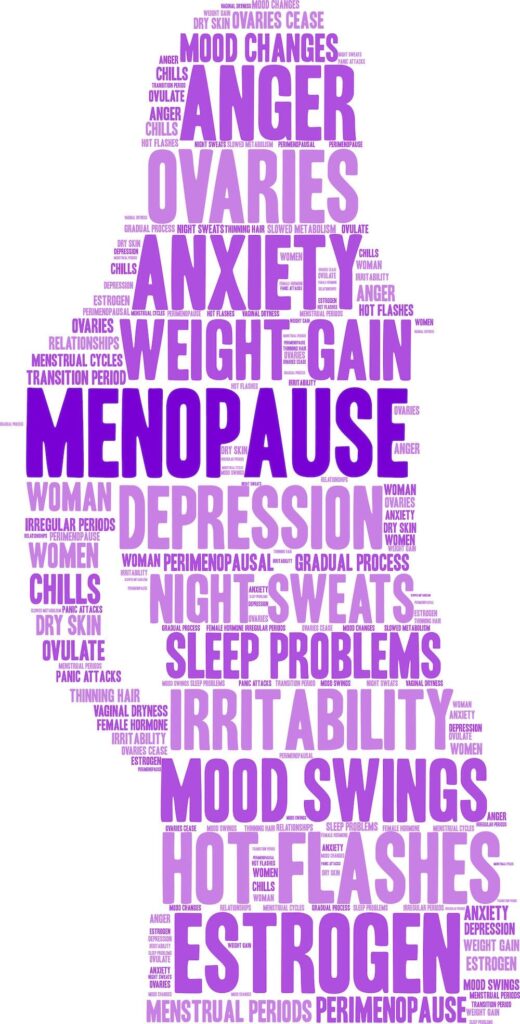
The Anxiety Amplifier. If you thought menopause was just about hot flashes, think again. The transition into menopause (perimenopause) can last 7-10 years, and it’s often the most mentally challenging phase of a woman’s life.
Perimenopause anxiety and depression symptoms include sudden panic attacks with no clear
trigger, night anxiety that disrupts sleep, driving anxiety (a specific phobia some women develop
during this transition), racing thoughts, and mood swings that feel completely out of character.
According to the Mayo Clinic, fluctuating hormone levels during perimenopause create
neurochemical chaos. Women who never experienced anxiety before can suddenly find themselves dealing with menopause symptoms, depression, and anxiety in their 40s and 50s.
Study Finds Women At Greater Risk of Anxiety
Researchers found that women who had a hysterectomy had a slightly higher chance of developing mental health issues over time. Over 30 years, the risk of depression increased by about 6.6%, and anxiety by about 4.7%.
For younger women (ages 18 to 35), the risk was even higher — their chance of developing depression went up by around 12% over 30 years.
Dr. Shannon Laughlin-Tommaso from Mayo Clinic explains that removing the uterus may affect both physical and mental health more than doctors previously thought. Since many women have this surgery at a young age, it’s important to understand the long-term risks.
She also recommends that women should try other treatment options for non-cancer-related (benign) gynecological problems before choosing a hysterectomy — especially if they’re young.
This research is part of two studies published in a medical journal about menopause. The studies looked at how hysterectomy, with or without removing the ovaries, is linked to women’s mental health.
The second study found that women who had both ovaries removed (not due to cancer) were more likely to already have mental health conditions like mood disorders or anxiety.
This suggests that in some cases, existing mental health issues may have played a role in the decision to go for surgery, either from the patient’s side or based on a doctor’s recommendation.
Common Anxiety Symptoms
Common anxiety signs and symptoms include:
- Feeling nervous, restless, or tense.
- Having a sense of impending danger, panic, or doom.
- Having an increased heart rate.
- Breathing rapidly (hyperventilation).
- Shivering.
- Feeling weak or tired.
- Trouble concentrating or thinking about anything other than the present worry.
- Having trouble sleeping.
- Having an upset stomach or other digestive problems.
- Having difficulty controlling worry.
- Having the urge to avoid things that trigger anxiety.
How to Reduce Anxiety Quickly: Evidence-Based Strategies
When anxiety strikes, you need tools that work fast. Here are techniques proven to reduce anxiety quickly:
Immediate Relief Techniques
• The 4-7-8 Breathing Method: Inhale through your nose for 4 counts, hold for 7 counts, exhale
for 8 counts. Repeat 4 times. This activates your parasympathetic nervous system.
• Cold Water Immersion: Splashing cold water on your face triggers the ‘dive reflex’—a physiological response that slows heart rate and reduces stress instantly.
• Progressive Muscle Relaxation: Systematically tense and release muscle groups from the toes to the head to release physical tension and interrupt the anxiety thought loop.
• The 5-4-3-2-1 Grounding Technique: Identify 5 things you can see, 4 you can touch, 3 you
can hear, 2 you can smell, and 1 you can taste. This pulls you into the present moment.

Hormonal Anxiety:
For Menstrual Cycle Anxiety: Track your cycle to predict high-anxiety days, increase magnesium
Intake during the luteal phase, reduce caffeine 7-10 days before your period, and consider Vitex (Chasteberry) supplements.
For Menopause Anxiety and Depression: Consider Hormone Replacement Therapy (HRT) after
Consult your doctor, consume phytoestrogens from soy and flaxseed, exercise 30 minutes daily, and try Cognitive Behavioral Therapy (CBT) for menopause panic.
For PCOS Anxiety Depression: Take inositol supplements to improve insulin sensitivity and mood, follow an anti-inflammatory diet, exercise regularly to boost endorphins, and try spearmint tea to reduce androgens.
Lifestyle Foundations:
• Sleep Hygiene: Maintain a consistent sleep schedule, keep your bedroom cool (65-68°F),
avoid screens 1 hour before bed, and consider magnesium glycinate supplements.
• Movement as Medicine: Even 10 minutes of brisk walking increases serotonin and dopamine,
reduces cortisol, improves sleep quality, and provides distraction from anxious thoughts.
• Nutrition for Calm: Consume fatty fish for omega-3s, fermented foods for gut health,
magnesium-rich foods, and complex carbohydrates while limiting caffeine, alcohol, refined sugar, and processed foods.
• Social Connection: Research shows that women with strong social support networks have
60% lower anxiety rates. Connection is medicinal.
When to Seek Professional Help
Seek professional help if anxiety interferes with work, relationships, or daily activities; if you’re having suicidal thoughts (call 988 immediately); if you’re using substances to cope; if physical symptoms are severe, or if anxiety has lasted more than 6 months.
Treatment options include Cognitive Behavioral Therapy (CBT), medication (SSRIs, SNRIs),
integrative approaches like acupuncture and yoga therapy, and specialized treatment with
reproductive psychiatrists who understand hormonal anxiety

Frequently Asked Questions
Q: Why do women experience anxiety differently from men?
Women have higher rates of anxiety due to hormonal fluctuations affecting neurotransmitters,
psychological socialization around emotional expression, and social factors like wage gaps,
caregiving burden, and higher rates of trauma.
Q: Can birth control help or worsen anxiety?
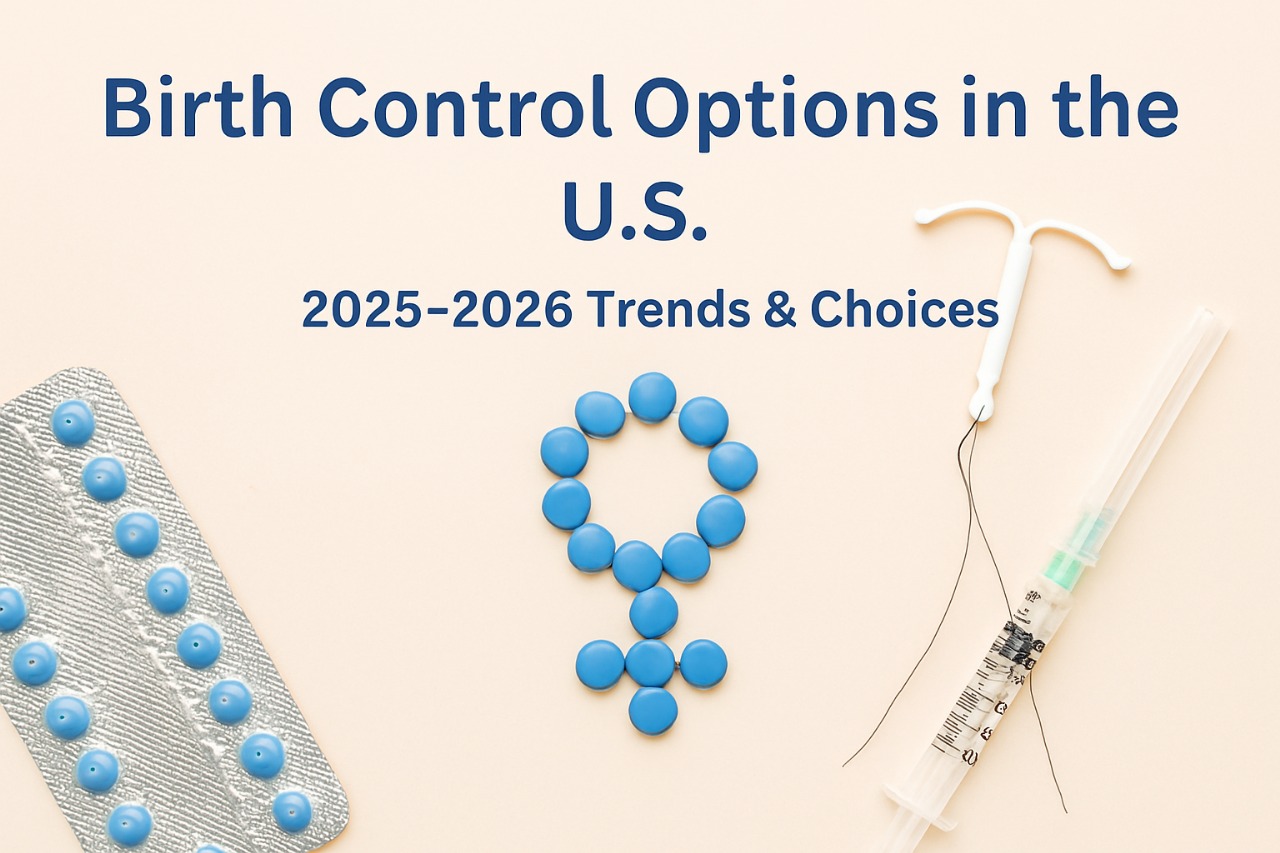
It depends on the individual. Some women find that hormonal birth control stabilizes anxiety in
menstrual cycle patterns, while others experience increased anxiety as a side effect. Track your
symptoms and discuss with your doctor.
Q: Is anxiety during perimenopause permanent?
No. While perimenopause depression and anxiety can be intense, symptoms often improve once you reach stable post-menopause. HRT, lifestyle modifications, and therapy can help during and after transition.
Q: How quickly can anxiety reduction techniques work?
Immediate techniques like breathing exercises work within minutes. Lifestyle changes show effects in 2-4 weeks. Therapy requires 8-12 sessions. Medication may take 4-6 weeks for full effectiveness.
Q: Can diet really make a difference?
Absolutely. The gut-brain connection is well-established. Anti-inflammatory diets rich in omega-3s, probiotics, magnesium, and B vitamins support neurotransmitter production and can reduce anxiety measurably within weeks.
You're Not Broken, You're Human
If you’ve recognized yourself in these pages—whether you’re dealing with PCOS depression and
anxiety, navigating perimenopause anxiety and depression, or simply trying to understand why
Your heart races before your period—please hear this: you’re not broken. You’re not weak. You’re a woman living in 2026, dealing with an unprecedented convergence of biological, social, and cultural stressors that would challenge anyone.
Anxiety symptoms in women aren’t character flaws or personal failures. They’re your nervous
system responding to real threats—both external and internal. Understanding the “why” behind your anxiety is the first step toward managing it effectively.
Remember that how to reduce anxiety quickly isn’t just about breathing exercises or meditation
apps. It’s about addressing root causes: balancing hormones, building social support, challenging unrealistic expectations, and seeking professional help when needed. There’s no shame in medication, therapy, or asking for support—these are tools, not admissions of weakness.
You deserve peace of mind. You deserve support. And you deserve to understand that rising anxiety rates among women aren’t inevitable—they’re a signal that we need systemic change alongside individual coping strategies.