
 by
by In today’s fast-paced world, many people feel overwhelmed, juggling short-term demands and losing sight of their bigger goals. We worry about relationships, careers, and health, yet often lack a clear foundation. This leads to stress, inconsistency, and the feeling that success is just out of reach. The problem is not lack of willpower, but the absence of solid foundational strategies – the basic plans, routines, and mindsets that guide long-term success.
Imagine starting a fitness program without clear goals or support: enthusiasm fades quickly. Or a project at work without planning and communication falls apart. These are social/emotional pitfalls (frustration, burnout, isolation) of missing foundations. The solution is to build clear strategies at a fundamental level: core routines, effective communication habits, emotional self-awareness, and purposeful goal-setting. With the right foundation, small steps compound into big change.
This article outlines how to identify and implement foundational strategies so you can overcome common barriers (like low motivation or poor communication) and achieve lasting success. We’ll draw on evidence-based frameworks, real-life examples, and expert insights (e.g. from Harvard, Yale, BPS). You’ll learn how habits, emotional intelligence, and resilience work together, with practical steps to start applying them today. By the end, you’ll see how foundational strategies pave the way for long-term success in both personal and professional life, and how anyone – whether running a small startup or improving daily routines – can benefit.
Table of Contents
ToggleFoundational Strategies
A foundational strategy is a basic, underlying approach or routine that supports growth and success over time. In simple terms, it’s like the solid base of a building: habits, plans, and values that everything else is built upon. In business, this might be a clear mission statement or core team habits; personally, it could be daily routines or emotional skills. Foundational strategies turn vague goals into concrete actions.
For example, one foundational strategy is consistent goal-setting. Writing down specific goals with deadlines (a time-based plan) creates a clear roadmap. Another is self-reflection: regularly reviewing what’s working or not (an emotional-insight practice) ensures you stay on course. Communication is also foundational – like confirming expectations in a relationship or project from the start.
These core strategies differ by context. In a large firm, foundational strategy might mean a formal corporate mission and multi-year plan, whereas in a small startup it’s more informal, and focus is on adaptability cascade.app. Both cases show: the level of strategy may vary, but every success story relies on strong basics. Even individual life success (career, health, relationships) hinges on fundamentals: good habits, clear values, and supportive relationships.
Key characteristics of foundational strategies:
- Long-term focus: They aren’t quick fixes but build strength over months/years.
- Consistency: They rely on regular practice (e.g. daily habits or routines).
- Flexibility: They adapt as you grow (like updating goals or methods).
- Universality: Applicable across areas – e.g. planning skills help both career and personal growth.
Understanding foundational strategy meaning helps clarify why success often feels out of reach without it. It’s the difference between haphazard effort and a guided journey.
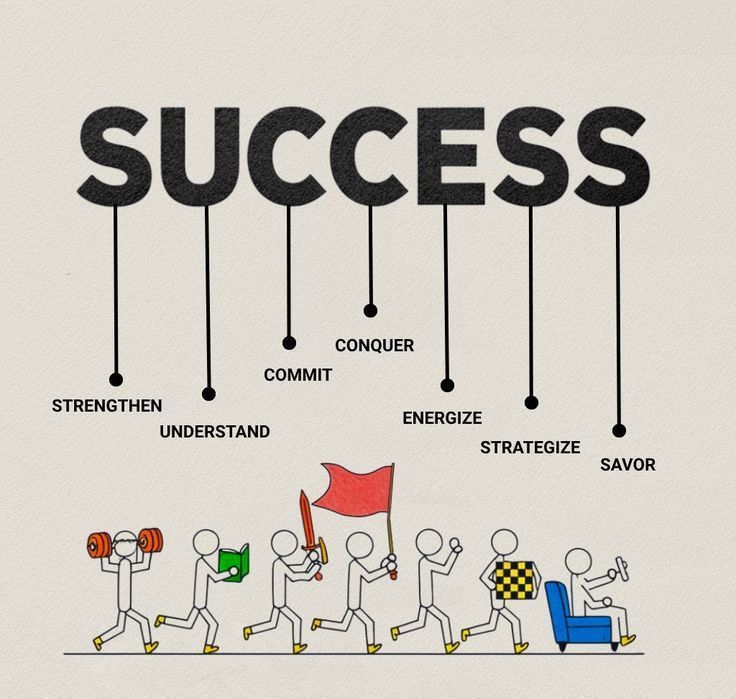
Emotional & Social Foundations
Human success is deeply social and emotional. Our moods, relationships, and communication styles significantly shape outcomes. Foundational strategies here include emotional intelligence (EI), active listening, and positive mindset. These set the stage for healthier relationships, better teamwork, and personal resilience.
Business colleagues smile and converse in an office – illustrating the power of clear communication and supportive social connections.
Research shows that leaders and team members with high emotional intelligence improve team performance and business results pmc.ncbi.nlm.nih.gov. In other words, being self-aware and empathetic is a foundational strategy. For example, a manager who recognizes their stress and calmly addresses it helps everyone stay focused. As Goleman’s work notes, two out of three top competencies for effective performance are emotional in nature pmc.ncbi.nlm.nih.gov.
Social-emotional learning (SEL) encapsulates these skills: self-awareness, self-regulation, empathy, and conflict resolution. Investing in SEL brings big benefits. Organizations that train in these skills see better communication, leadership, and morale mentoring.bps.org.uk. At an individual level, learning to pause before reacting or actively listen are foundational tactics. Consciously naming your feelings (“I feel frustrated”) and asking open questions (“How do you see this?”) are simple foundational strategies that prevent misunderstandings.
Practical tips (SEL-based foundational strategies):
- Active listening: Give full attention, reflect back what you hear. Asking questions that show you’re listening can transform a conversation (and motivation) som.yale.edu.
- Empathy practice: Try to see situations from others’ perspectives. This reduces conflict. Empathy is learnable – for example, imagining how a colleague or friend feels and responding kindly builds trust.
- Emotional check-ins: Regularly rate your stress or mood. Notice triggers and use simple regulation techniques (deep breaths, short breaks). Over time this self-awareness becomes habitual.
- Positive social connections: Surround yourself with supportive peers. Studies find social accountability and fun (e.g. a workout partner or study group) dramatically increase success som.yale.eduhealth.harvard.edu.
Together, these social-emotional foundations create an environment where long-term goals flourish. They combat one reason people struggle: focusing only on dry outcomes (like “I must lose 10 lbs”) rather than on enjoyment and connection along the way som.yale.edu. By making interaction and feelings part of the strategy, you sustain motivation and build a safety net.
Practical Habit and Planning Frameworks
Success rarely comes without structure. Foundational strategies in this category are about habits, routines, and planning tools – essentially, turning goals into daily actions. A famous example: linking a new action to a consistent cue (like taking vitamins after breakfast every day) turns it into an automatic habit over time pmc.ncbi.nlm.nih.gov.
A neon sign “HABITS TO BE MADE” – emphasizing the role of consistent habits in forming the foundation of success.
One powerful framework is the Habit Formation Loop: Cue → Routine → Reward. First, pick a simple goal (the cue), perform a small daily action (the routine), and give yourself a reward. For instance, after each morning coffee (cue), write one priority task for the day (routine), then enjoy a relaxing break (reward). Psychology research shows that repeating a behavior in the same context makes it automatic; within about 10–12 weeks, it “feels strange” not to do it pmc.ncbi.nlm.nih.gov.
Step-by-step habit-building strategy:
- Choose a goal and small action. (e.g., “I want to get fitter” → start by doing 5 minutes of stretching daily.)
- Identify a daily cue. (Time or place you hit every day, like after brushing teeth or when you arrive home.)
- Commit to repeating. Use reminders or a tick-sheet. Consistency is key: even small progress each day builds momentum.
- Celebrate tiny wins. Track your progress and reward yourself for consistency. This reinforces the habit loop.
By embedding positive actions in daily life, you make success steps non-negotiable. Over time, these foundational habits accumulate to major results – without relying on constant willpower. (For a guided worksheet see Box 1 below pmc.ncbi.nlm.nih.gov.)
pmc.ncbi.nlm.nih.gov Excerpt (Box 1):
- Decide on a goal you’d like to achieve.
- Choose a simple action toward that goal, to do daily.
- Plan when/where you will do it (the cue).
- Every time you see that cue, do the action.
- Over ~10 weeks it will become automatic.
Congratulations – you’ve made a new habit!
Another critical strategy is planning & goal-setting. Break big goals into smaller, time-bound tasks. For example, if “write a book” is your goal, a foundational strategy is to schedule 30 minutes of writing 5 times a week. Use tools like planners or apps to track deadlines and routines.
Close-up of a hand writing in a planner – illustrating the planning and tracking aspect of foundational strategies.
Good strategies for planning include:
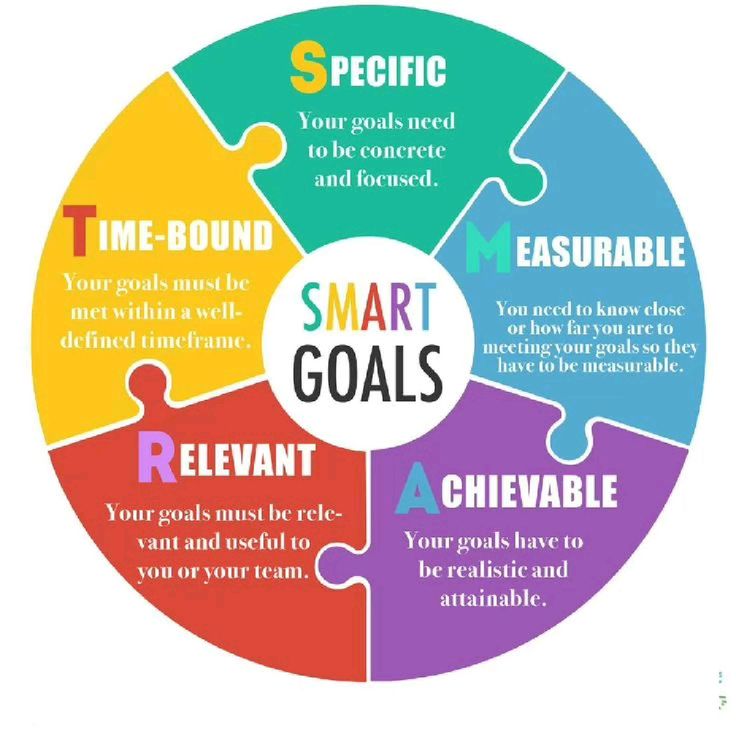
- SMART goals: (Specific, Measurable, Achievable, Relevant, Time-bound). This clarity turns vague aims (“get healthier”) into concrete steps (“walk 30 min, Mon/Wed/Fri”).
- Routine schedules: Map out daily/weekly routines (e.g. fixed work blocks, exercise times, relaxation periods). Routines reduce decision fatigue.
- Review and adapt: At week’s end, review what went well. Did you stick to the plan? Why or why not? Adjust so each plan reflects reality.
These steps align with evidence on habit formation: keep context constant and simplify actions. For example, James Clear’s Atomic Habits notes that tying a new habit to an existing one or a frequent time point is highly effective (the image above shows a reader immersing in this concept). Over time, this structure makes progress smooth and predictable.

Resilience and Growth
Even with plans in place, challenges arise. Foundational strategies here involve resilience, mindset, and learning. Resilience – the ability to cope and bounce back – is strongly linked to long-term success. Harvard researchers found people with high resilience were up to 38% less likely to die over a decade health.harvard.edu. In practical terms, resilience means handling setbacks (like job loss or emotional stress) without derailing your strategy.
A person balancing on a cliff at sunrise – symbolizing resilience and steadiness amid challenges.
Key resilience strategies:
- Positive reframing: When facing failure, consciously look for lessons (“What did I learn? How can I improve?”). This turns a setback into progress.
- Support networks: Maintain relationships that encourage you. Friends and mentors can offer perspective when motivation wanes.
- Stress management: Techniques like meditation or exercise build tolerance for difficulty. Harvard Health suggests practices like meditation, gratitude journaling, and social support as ways to boost resilience health.harvard.edu. For example, taking a short walk or deep-breathing break when stressed can help you return to goals with a clearer mind.
- Growth mindset: Adopt the belief that abilities can improve with effort. This mindset makes challenges feel like opportunities, not threats.
“Why do people struggle with maintaining long-term goals?” Often because when difficulties arise, they perceive them as permanent failures rather than temporary hurdles. By using resilience-building strategies (focus on solutions, lean on support, stay flexible), you keep momentum.
Another foundation is continuous learning. Breaks and difficulty are inevitable, but how you respond matters. Research highlights that balancing challenge with enjoyment (“fun”) leads to persistence som.yale.edu. For instance, gamify progress (reward points, or celebrate small wins) to make tough tasks feel rewarding. When learning new skills or adjusting plans, treat it like a game – this keeps the process enjoyable so you don’t burn out.
Why improve social and emotional skills (covering “What is the strategy used to value leadership techniques” indirectly): Leaders who invest in EQ and team well-being see better team loyalty and output. Feedback loops (like regular check-ins) are foundational for refining leadership. In personal life, reflecting on feedback from others (friends, family) helps you evaluate which interpersonal strategies work.
Table: Strategy in Large vs Small Firms
| Strategy Aspect | Large Firm | Small Business |
|---|---|---|
Planning Horizon | Formal, long-term plans (often 3–5 years) |
Shorter-term, flexible plans (1–2 years). |
Decision Structure | Hierarchical (multiple management layers). |
Flat structure; owners make quick decisions. |
Resource Allocation | Dedicated strategy teams and budgets. |
Limited resources; multi-tasking staff. |
Adaptability | Slower to change (needs approvals). |
Highly agile; quick pivots possible. |
No matter the scale, “strategy is for everyone”cascade.app. Large organizations still need clear vision, while small businesses benefit from foundational strategy practices (like consistent goal review) even in simpler form.
Overcoming Common Struggles
Even armed with strategies, people face hurdles. Two common questions are: “Why do people struggle with consistency?” and “How to improve motivation and focus?” The answers often lie in psychology:
- Lack of intrinsic motivation: Goals tied only to long-term payoff (like “save money for retirement”) can feel abstract. Yale research shows goals pursued for immediate enjoyment or personal meaning yield better persistence than those tied only to future benefits som.yale.edu. So embed some short-term reward (a small treat or fun element) into your strategy.
- Perfectionism/fear of failure: Some avoid starting if they can’t do it perfectly. Foundational strategies combat this by emphasizing progress, not perfection. For example, setting modest sub-goals ensures you succeed early and build confidence.
- Overwhelm: Breaking tasks into tiny steps (one of our habit steps above) prevents the “too much to do” feeling. A second benefit: even if you miss one day, the habit continues next time without major loss pmc.ncbi.nlm.nih.gov.
- Lack of accountability: Going solo can make it easy to quit. As a remedy, use social strategies: find an accountability partner, join a group, or simply share your plan publicly. Social accountability leverages our intrinsic drive for connection som.yale.edu.
Tips to improve consistency:
- Use visual cues: Put your running shoes by the door or your journal on the bedside table. These reminders act as triggers.
- Schedule brief check-ins: End each week by noting progress in a journal or app. This review session itself is a foundational routine.
- Gamify tasks: Earn points for each day you stick to the plan and reward yourself at milestones. This adds immediate gratification to the process.
- Build overlapping support: Combine strategies (e.g. set a morning goal while also meeting a friend at that time). When multiple foundations (habit + social) overlap, you’re far more likely to succeed.
By consistently applying these foundational tactics, you turn struggling into learning. Instead of asking “Why doesn’t this work?”, you get to ask “Which part of my plan needs adjustment?” – a growth mindset shift.
Key Takeaways and Next Steps
Foundational strategies are the bedrock of long-term success. They include daily habits, clear goals, strong communication, emotional intelligence, and resilience practices. Research-backed tips show that success comes from enjoying the journey, staying connected, and building routines that just happen over time som.yale.edupmc.ncbi.nlm.nih.gov.
In practice:
- Develop emotional skills: Practice empathy and active listening as daily habits to improve relationships and teamwork mentoring.bps.org.uk.
- Build positive routines: Link a new healthy or productive action to an existing habit (e.g., always stretching after brushing teeth). Experts find repeating actions in the same context builds automatic habits in ~2 months pmc.ncbi.nlm.nih.gov.
- Plan with purpose: Use SMART goals and weekly reviews. Small consistent actions beat occasional big efforts.
- Foster resilience: Keep a growth mindset, learn from setbacks, and maintain social support. Studies tie these to not only better wellbeing but even longevity health.harvard.edu.
In summary, whether you’re aiming for a career milestone or personal growth, start by laying a strong foundation. Foundational strategies transform big dreams into daily habits and supportive mindsets – unlocking lasting success with abcwellness.net.
What are strategies for success?
Strategies for success are plans and habits that guide you toward your goals. They range from clear goal-setting methods (like SMART goals) to daily routines (exercise, time management) and social strategies (communication skills). Combining these gives you a roadmap. For instance, a common strategy is to break a big goal into weekly tasks, then celebrate small wins. Other success strategies include continuous learning (reading, courses) and building networks of support. Essentially, any consistent approach that steadily moves you forward – whether personal (like morning meditation) or professional (like networking) – can be a strategy for success.
How do the levels of strategy differ in a large firm versus a small firm?
In large firms, strategy is often formal and multi-layered. There’s a corporate strategy (overall vision), business-unit strategies, and detailed operational plans cascade.app. These tend to be long-term and involve many stakeholders. Small businesses or startups, by contrast, have lean structures. Strategy is usually more short-term and flexible, often driven by founders making quick decisions. Despite these differences, the foundational concept is the same: define clear goals and a basic plan. Even a one-person venture can benefit from planning ahead and basic financial/marketing strategies. The key difference is scale and bureaucracy – not the underlying need for a foundation.
How long do foundational strategies take to shape long-term success?
Foundational strategies begin shaping success immediately, but the full impact grows over time. For example, habit-based strategies often take 2–3 months to become automatic pmc.ncbi.nlm.nih.gov. Emotional and communication skills improve gradually with practice (over months or years). In business, strategic plans may yield visible results after a few quarters or years. The important point: these strategies compound. Early small actions (day 1 and week 1) build momentum for success months or years later. There’s no fixed “expiration” – a solid foundation continues to support you indefinitely, as long as you maintain and adapt it.
What strategies should be adopted to ensure a safe future?
A “safe future” strategy is about risk management and stability. Key steps include: financial planning (saving, investing wisely), continuous learning (upskilling to stay employable), building social support (networks and relationships for security and opportunities), and health maintenance (regular exercise, check-ups). Emotional strategies also apply: maintaining resilience helps you navigate crises (economic downturns, personal loss) without derailing. In practice, this might mean setting aside an emergency fund, learning about personal finance, keeping your professional skills updated, and practicing stress-reduction techniques. These foundational measures create a buffer so long-term goals stay on track even when life gets tough.
Why do people struggle with maintaining long-term strategies?
Often because long-term goals lack immediate feedback. People get discouraged when progress is slow or challenges arise. Psychological factors like low intrinsic motivation or fear of failure can sap persistence som.yale.edu. To combat this, it helps to make strategies enjoyable and break them into small wins (immediate rewards) and to build them into daily life so they become second nature pmc.ncbi.nlm.nih.govsom.yale.edu. Lack of clear planning or accountability also causes drop-off. By using foundational strategies (daily routines, social accountability, intrinsic motivators), you reduce these struggles.
What is the meaning of foundational strategy?
A foundational strategy is a core approach or habit that underlies all other actions. It’s about setting the ground rules: the routines you never skip, the values you uphold, and the basic methods you always use. For example, “always communicate openly with my team” or “track my spending weekly” are foundational strategies. They aren’t flashy tactics, but they keep your efforts aligned and sustainable. Having these in place means that even when goals change, you have dependable principles guiding you.
How can I improve my foundational strategies?
Start small and build up. Identify one area that needs a stronger foundation (e.g. time management, communication, or self-care) and pick one simple practice. For instance, if you want better focus, start using a daily planner and blocking off 1 hour of work with no interruptions each day. Use accountability: share your new practice with a friend or mentor. Review your progress weekly and celebrate consistency. Over time, layer additional strategies on top (like adopting a new healthy habit or communication skill). Seek feedback and adjust – the more you refine your foundational strategies, the more effective they become.